

If you’re traveling solo for the first time, you’re probably feeling both nervous and excited. The number one thing to consider is planning and preparation. You want to be ready for it all.
The first time I traveled abroad was for a marketing trip to Barcelona, Spain. From there I hopped over to Greece, Egypt, India, and then Thailand. That’s another travel story for another time.
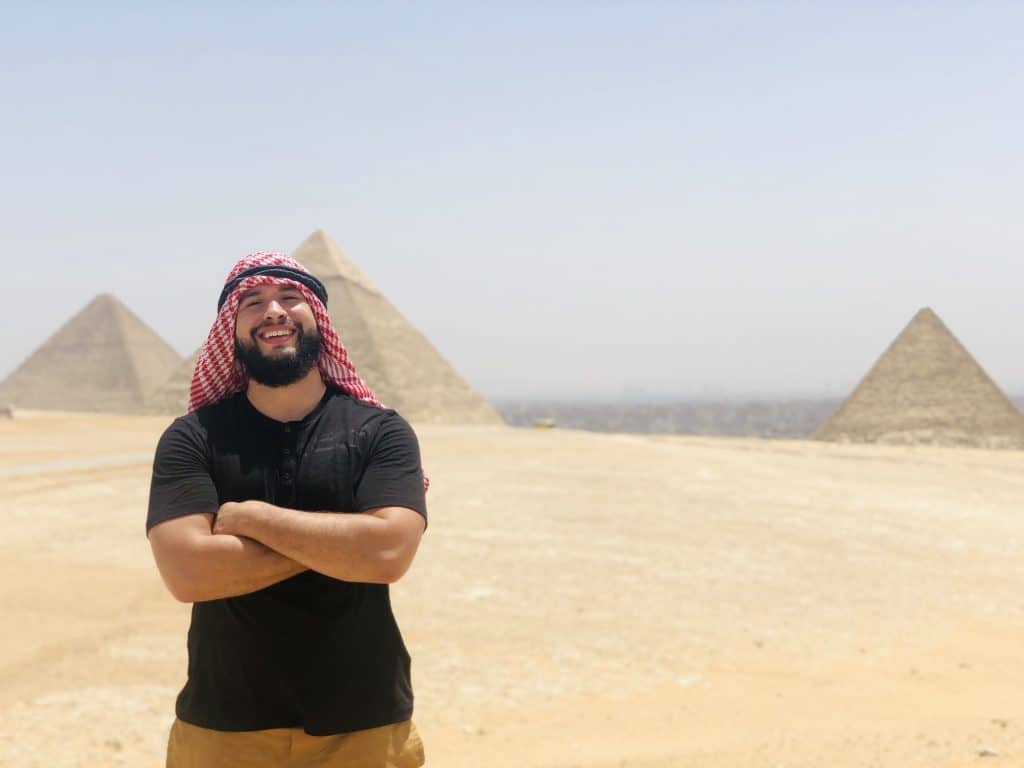
I remember wanting everything to be perfect. Did I have the right travel backpack? Did I need packing cubes? What were the climates going to be like? Lots of questions were racing through my mind.
Solo Trip Details to Consider
- Pack light and for the weather (trust me, you’ll buy stuff)
- Remember your toiletry bag
- Have your VISA(s) in order
- No, you don’t need a neck pillow (airlines usually provide pillows)
- Bring a portable phone charger
- Book your accommodations in advance (get the time zones right)
- Remember to bring a positive attitude
- Did you remember to grab your passport? (Seriously)
- Have cash to spend
We’re going to cover a lot of things in this post so those are some of the main ones to consider. Everything else is a bit of a figure-it-out as a you-go vibe. It depends on what you’re looking for.
If you’re someone who wants to go with whatever the flow is, then booking your flights and accommodations is all you need. Everything else usually fills itself up as you explore.
More of an itinerary-based person? Then you’re all about the details.
Benefits of Solo Traveling
Traveling solo is one of the best things you can do for your personal development. Chances are pretty high that you’re a bit different. You want to discover more, be more, have more, and certainly do more. You’re definitely on the right path to discovering the world and even more about yourself.
Freedom and Flexibility
The first time I traveled solo, I realized how much more freedom I had to create my schedule. I woke up when I wanted, created my travel itinerary, and got to be sporadic if I wanted to.
I didn’t have to compromise on doing this or that when I could do it all. There’s also a lot less stress involved when it comes to decision-making. There are no other inputs other than your own.
You can always extend your stay, switch locations, go to a different restaurant, or join a random pub crawl. The freedom of possibilities was endless.
Self-Discovery and Personal Growth
Traveling alone has been one of the best things I’ve done in my life. I was able to push past my comfort zone and venture off into parts unknown. You get to see what you’re made of since you get to solve your problems.
There’s also a lot of time for introspection. Being in solitude allowed me to reflect on my values, personal interests, and overall goals in life both short and long-term.
You’re also able to see things through a different lens of the culture you’re in. This leads to a feeling of personal growth and appreciation of life as a whole.
Wherever you go, you can never escape yourself. You’ll learn to face yourself and get quite comfortable with yourself as a whole.
Meeting New Friends and Cultures
Despite what your friends or family might say, you’re never really alone when you travel. Loneliness is something you will and won’t experience. I actually found it a bit easier to meet new people while traveling solo.
Assuming you’re checking out popular tourist destinations and staying at hostels, you’re almost certain to meet other travelers from all walks of life.
This is especially likely since other solo travelers don’t exactly want to be solo either. You usually end up teaming up with other travelers and forming little groups to have a new shared experience.
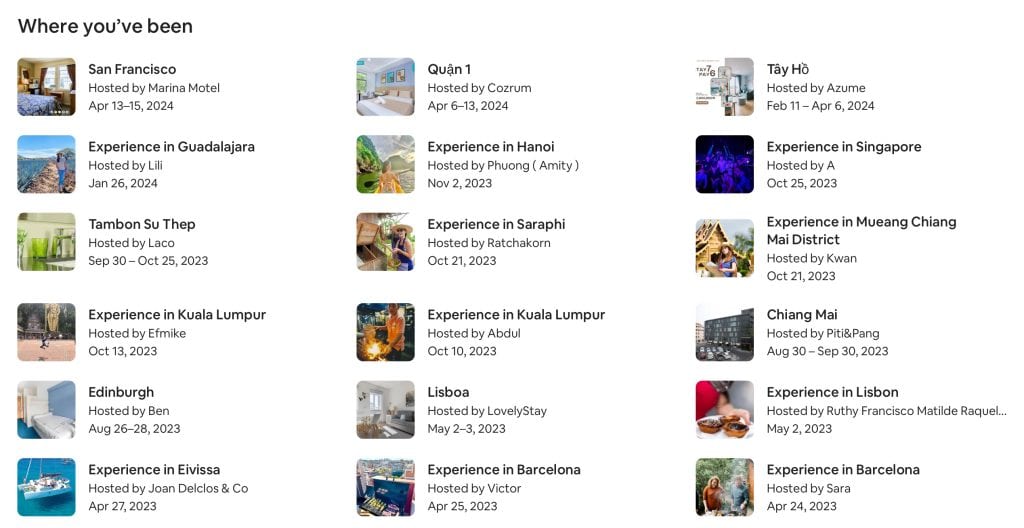
Airbnb experiences and other activities are also a great way of connecting with other locals and travelers while simultaneously experiencing a new culture.
Preparing and Planning Your Trip
You can do whatever you want once you get to where you’re going, but first, you need to get there. I’m typically the pack less and buy whatever you need when you get there type. Regardless, failure to plan is planning to fail. Here are some solo travel tips to help make things smoother.
Choose Your Countries (or continent)
Depending on how adventurous you are, you might want to hit up a few nearby countries or go crazy and do an entire continent. You’ve got to decide what it is you’re going after.
Are you a foodie wanting the best to eat? Do you want rich cultural experiences? Craving some outdoor life and nature? Or do you want insane nightlife? This is entirely up to you!
Your level of comfort as a first-time solo traveler is going to determine where you go. Take your time, research safety, transit, costs, and of course accommodations. Think about the best countries to visit that meet your needs before moving on to the next step.
Create Your Itinerary
If you want to make the most of your trip, you need to include travel days and what I like to call “burn days” as part of your trip. For example, let’s say you’re flying from Los Angeles to Barcelona, Spain.
If I had a 10-day trip planned, I would already consider 3 days gone. 1 day for travel there, 1 day for travel back, and 1 day to relax and do nothing (or maybe you’re hungover from a night out).
Planning your trip while considering your travel and burn days will give you the actual amount of days you’ll have exploring. Also, I’ve found it to be better to arrive during the day (local time) rather than at night.
This helps out for safety and also makes it easier for you to have adequate transport. A lot of times outside of airport terminals you’ll find sketchy taxi drivers (usually unlicensed) trying to get you to jump in their car.
Make a list of the places you want to see as well. This will probably involve some museums (2 to 3 hours each), restaurants, parks, and maybe even some unique Airbnb experiences.
And of course, consider those off-the-beaten-path moments. You will be hit with a curveball. Something will be closed, something else will catch your attention. Do your best to be prepared for it all.
Travel Documents and Visas
This part might seem obvious but how many times have you left the house without your keys or your phone? It’s usually the things in plain sight that blind us the most.
Make sure your passport is valid at least six months before the date of your trip as well.
It’s also good to have a couple of photocopies of your passport. Be sure to keep them in a plastic bag to avoid any damage to the documents.
Quick travel hack: Send a copy of your passport to your email. This way if you lose your passport and phone, you can always get access to your documents by logging into your email.
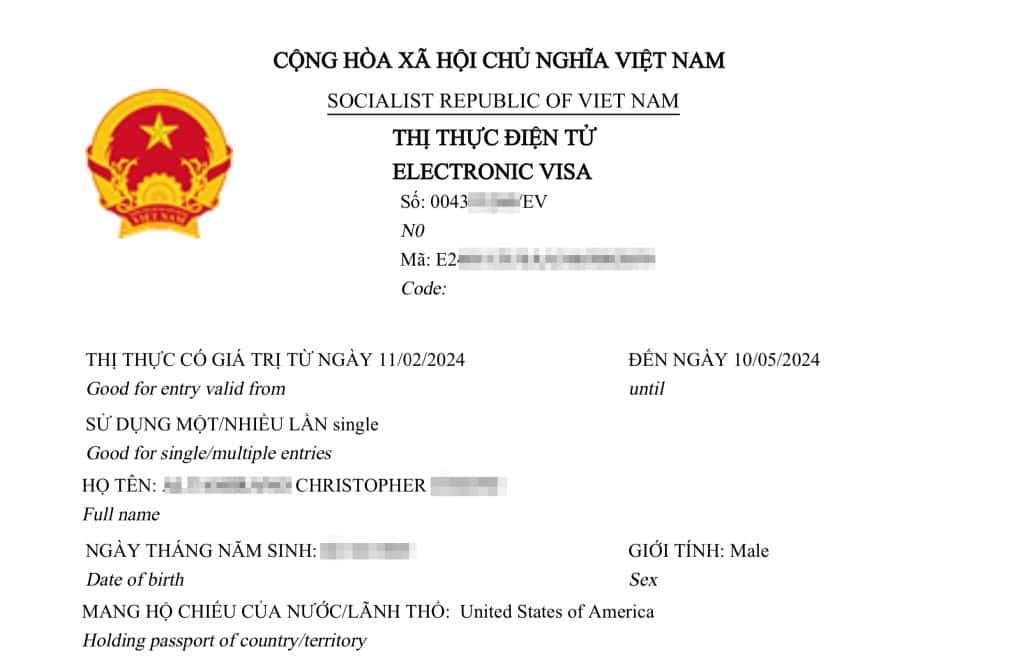
Finally, make sure you get the proper VISA for your trip.
Countries like Egypt allow you to buy a VISA on arrival, while countries like Vietnam and India require eVISA applications. If you’re traveling to Europe within the Schengen area (29 countries as of 2024), you won’t need to worry about a VISA assuming you’re a U.S. Citizen.
Booking Accommodations
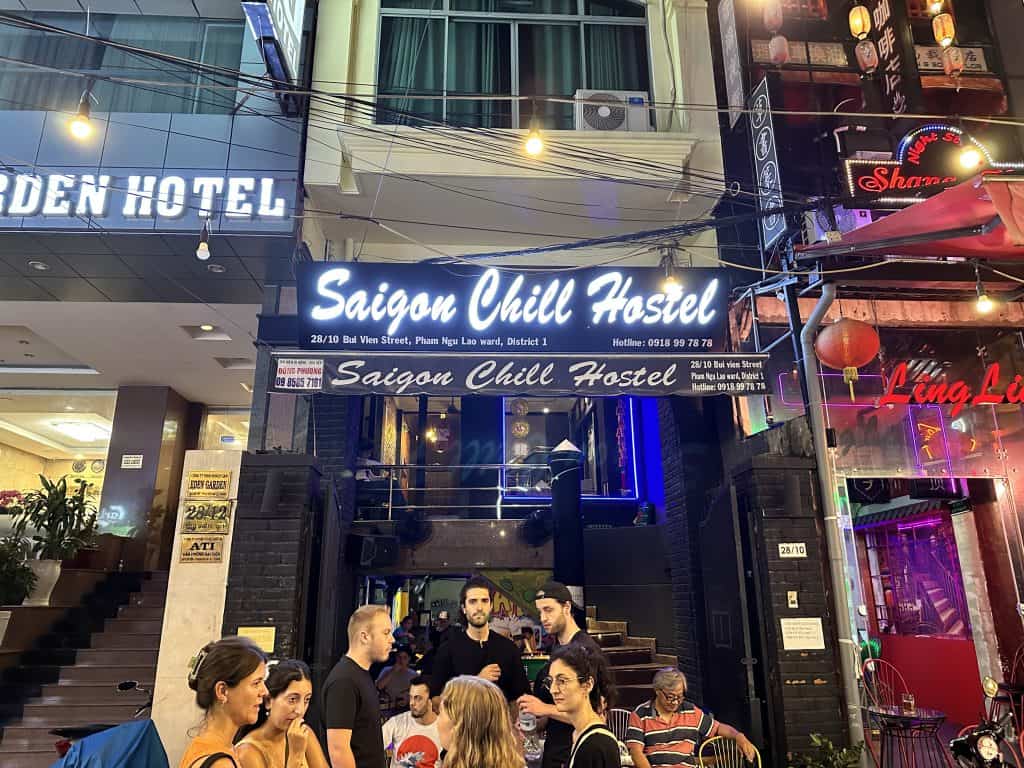
Finding the right place to stay is going to make or break your solo trip experience. Consider the location from the attractions you want to see, to the people you want to meet, and above all else – safety and comfort.
Choosing Accommodations for Solo Travelers
Reviews are your best friend when it comes to booking the right stay. I usually book hostels when traveling solo, as it gives me the best opportunity to meet other travelers.
I’m very big on commitment, however, if you’re someone who wants peace of mind, looking at places with flexible cancellation policies is also a good choice.
I showed up at a hostel in Cairo, Egypt a day earlier and wasn’t able to get a refund. While it was only $9 I lost, traveling on a budget makes those losses hurt even more. It’s always good to book in advance, this way you have a place to sleep upon arrival.
Hotels vs. Hostels vs. Airbnbs
I usually book Hotels when I want peace, quiet, and ultimate service and reliability. You know what you’re going to get. Staff, concierge, extra towels, solid amenities, etc.
Hostels are the best for solo traveling. In my experience, being solo doesn’t need to mean being alone. Part of the overall experience isn’t just the museums, restaurants, or old archeology sites you visit – it’s almost always the people who create that amazing experience. For me, hostels are always the best choice.
Airbnb is really for when you’re missing home or for those last night or two before your flight back home. This is really the “wind down” accommodation you want to start to acclimate back to being home without actually being there. I wouldn’t recommend an Airbnb for solo travelers unless you purposefully want to isolate yourself.
Packing and Luggage Tips
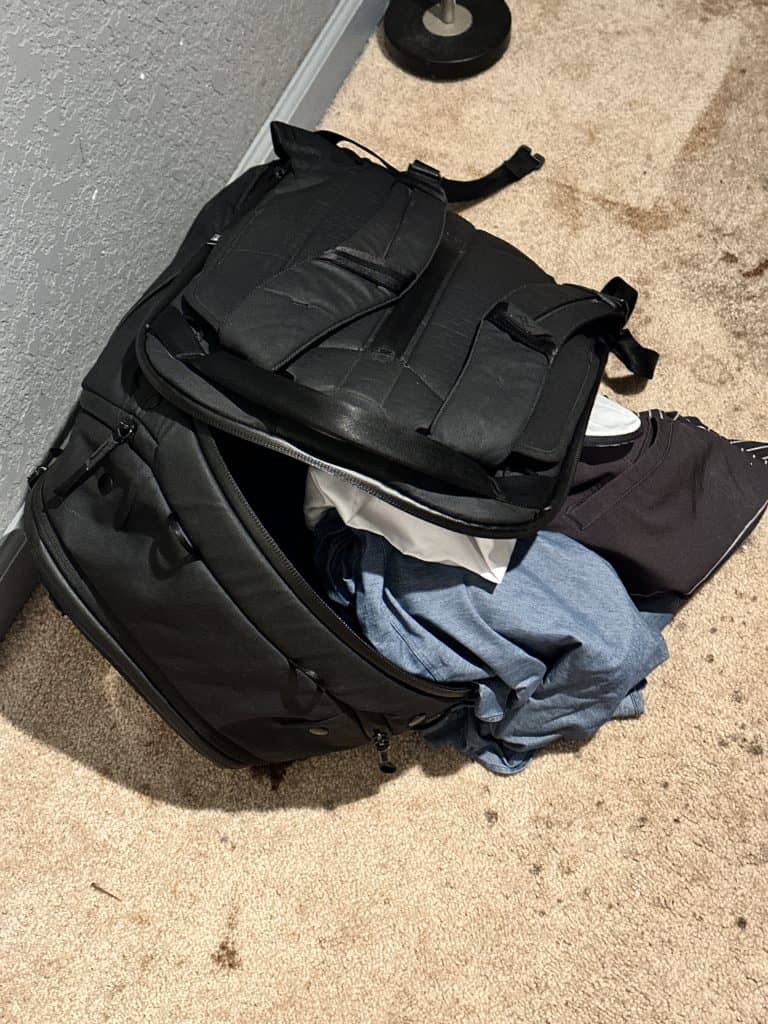
What’s the best backpack for solo travelers? Honestly, the one that’s going to fit what you need and then leave a little bit of space. There are a ton of brands to go with.
I tried a regular duffle bag, then some random hiking backpack I picked up from REI, before ultimately settling on a backpack from Peak Design (it’s been with me since 2019) and I love it. But it’s not about the backpack, it’s about what’s inside.
Essential Packing List
Pack freaking light (trust me). Only carry the following essentials (it’s less than you think).
- Travel Documents: Passport, ID, international driver’s license (I couldn’t do the Mario Kart experience in Tokyo without one), and PDFs of your documents to your email.
- Currency: Travel rewards credit cards are best as they usually have no international transaction fees, cash, and of course debit cards if you need them. I like to set up my credit cards on my Apple Watch and iPhone, then leave my cards back in the room along with my cash.
- This way if I lose my watch and phone for whatever reason, I’ve got the physical cards and cash still in the room. Travel Tip: Exchange your local currency when you arrive at the destination.
- Airport currency exchanges charge an arm and a leg. Many areas (usually jewelery districts have currency exchanges with much better rates).
- Clothing: Dress for the climate. One jacket is all you need if it’s cold. Wear super comfortable walking shoes that can double as accessible nightlife shoes if you plan on going out.
- Security: Bring a lock for your belongings if you’re staying in a hostel. Hotels and AirBNB’s aren’t that necessary. Luggage locks are cool if you feel the need to have an added layer of security.
- Tech Gear: Smartphone, power bank, charger, universal adapter (for various country outlets).
- Health Essentials: Check countries and their medication allowances if you require any health-related prescriptions. Otherwise, some Advil or ibuprofen is all you need. Everything else you can buy while abroad.
Packing Hacks for International Travel
Airlines are usually really cool about travel backpacks. However, it’s still smart to be as light as possible. Essentials first, wants second. Consider the following:
- Travel Backpacks: As mentioned earlier, my go-to travel backpack is the 45-liter travel backpack from Peak Design. I’ve had it for 5 years and it’s still doing the job.
- Packing Cubes: Organization is key when traveling. I recommend the Thule compression packing cubes. I’ve had the generic REI packing cubes and they did the jobs for some years although the zippers are a bit flimsy.
- Toiletries: I’ve used a Patagonia toiletry bag since 2019 and it’s been great. Any will do, just my recommendation. Bring a portable toothbrush, travel-size toothpaste, deodorants, ear swabs, band-aids, antibiotic topical cream, and anything else you might need. Everything else you can buy abroad.
- Entertainment & Tech: I would strongly recommend bringing an iPad Pro + Magic Keyboard with either AirPods or noise-cancelling Sony wh-1000xm4 headphones. That’s my current entertainment setup. Pair this with a Manfrotto Pixi Mini Tripod with a smartphone adapter so your phone can turn 360º. This is all you need unless you want to bring a GoPro as well. I wouldn’t recommend drones as each country is going to have its own rules and regulations of fly and no-fly zones.
- Shoes: Bring comfortable walking shoes that can double as both casual and dress-appropriate. Some clubs have dress codes so better to be safe than sorry. Also, if you must bring multiple pairs of shoes, stuff your socks, underwear, belt, and anything else you can fit into your shoes to save room in your luggage.
- Valuables: Always leave your valuables in your room. Most travel backpacks have hidden compartments. I’d recommend leaving them there or in your room’s safe.
Budgeting for Your Solo Trip
Unless you’re made out of money, budgeting for your first solo trip is crucial. The best way to do it is to include everything you can think of and then add in an extra $1,000 in case of an emergency or last-minute audible.
I’ll usually include flights, transportation, food, accommodation, food, drinks, shopping, experiences, nightlife club entry fees, and of course some additional cash for random happenings.
For accommodations, I’ll take the average cost per night at a centrally located hostel, then check out prices in the same area on Airbnb and hotels for private stays. Then I’ll form an average and that will give me my average cost per night expenditure.
Here’s an example of how I’d break a 10-day trip to Barcelona, Spain from San Francisco, California around mid-August.
- Flights: $600 round trip
- Hostel, Hotel, Airbnb: $106 nightly average ($1,060 total + tax)
- Food: $50/day at $25 per meal per day = $500 (add more for drinks) You can always save money here if your hostel or hotel has breakfast options included.
- Transporation: $12-$15 per uber ride 2x daily = $24/day = $240 – $300 total
- Museums: $15 – $20 entrance x 2 museums = $30 to $40 total
- Experiences: $200 – $300 (depends on experiences)
Total cost: $2,800 or $280/day with everything included for the 10-day trip.
This includes flights, accommodations, food, museums, bar hopping, museums, experiences, transportation, and anything else that might pop up.
From here, I’d add an extra $500 to $1,000 in emergency funds just in case.
You might miss a flight (I’ve been there), you might meet some people and want to change your travel plans to go do something else, or there might be some concert or music artist you want to see that you didn’t realize was going to be where you are.
Better to be prepared and not need the funds, than to need the funds and not be prepared! Can you get this entire trip cheaper?
Absolutely. You can save a ton of money by crashing into a 12-bedroom shared hostel and probably save an extra $500 on the trip.
Credit Cards and Accessing Money
I was always a cash-is-king kind of guy. In many ways, I still believe that. However, getting a good travel credit card is a great travel hack.
Should you still bring your debit card with you when you travel abroad? For me, the answer is yes. You never know when you’re going to need it.
Depending on the credit card you get, you can always do cash advance withdrawals at various ATMs while abroad while potentially avoiding international transaction fees.
One of the best travel hacks is requesting local currency from your bank at least 2-3 weeks before your flight. Most banks usually do this as part of your service or for a much smaller fee than you’d pay at a currency exchange.
Staying Safe While Traveling Alone
This is going to depend on where you go. If you’re traveling to pickpocket capital countries like Italy, France, and Spain, then you’re going to need to exercise extra precaution.
Use common sense here. Avoid random people coming up to you on the streets, avoid street games, explore during the day rather than at night, etc.
Yes, it can be tempting to stop with a crowd and watch a random street performance.
These are the best opportunities for thieves to pick your pockets. I wouldn’t even recommend keeping your passport on you.
However, in some countries like Japan, keeping your passport on you can help you avoid the VAT (value-added tax) and you’ll need the physical on you.
For navigating neighborhoods, I’d recommend checking out HoodMaps.
HoodMaps is essentially a color-coordinated legend map showing you where to go and where to avoid. I use this everywhere I go and it’s free to use on your web browser.
Do You Need Travel Insurance?
Better to have travel insurance and not need it than to wish you had it. While I’ve never had an unfortunate event happen to me, I did have a close encounter where a car ran over half of my foot just as I’d arrived in Koh Samui, Thailand.
With that being said, it’s smart to invest in some specialized travel insurance for solo travelers. I recommend checking out SafetyWing.
Additionally, bringing your domestic ibuprofen, antiseptic, and any other prescription medications you may need (allowed in the country of course) is smart.
In countries like Mexico, Thailand, and Vietnam, you can almost always guarantee getting anything else you need at a local pharmacy – no questions asked.
Understanding Your Transportation Options
The two best options for in-city travel are CityMapper (for Europe) and of course Google Maps (everything else). They both give great walking directions with real-time updates on local transit. You can also try Uber in certain countries and Grab in Southeast Asia.
Navigating from most countries’ airports to city centers is usually pretty easy. I’ve found that there are usually train options, shuttle services, or private taxis available as soon as you arrive.
China for example was difficult to navigate. You have to use a combination of Didi (their Uber) and AliPay to connect so you can make the transactions happen.
Again, this is all going to depend on what country you travel to. Your safest bet is to research each country’s transportation, shuttle, and ride-sharing app options ahead of time.
Embracing the Solo Travel Experience
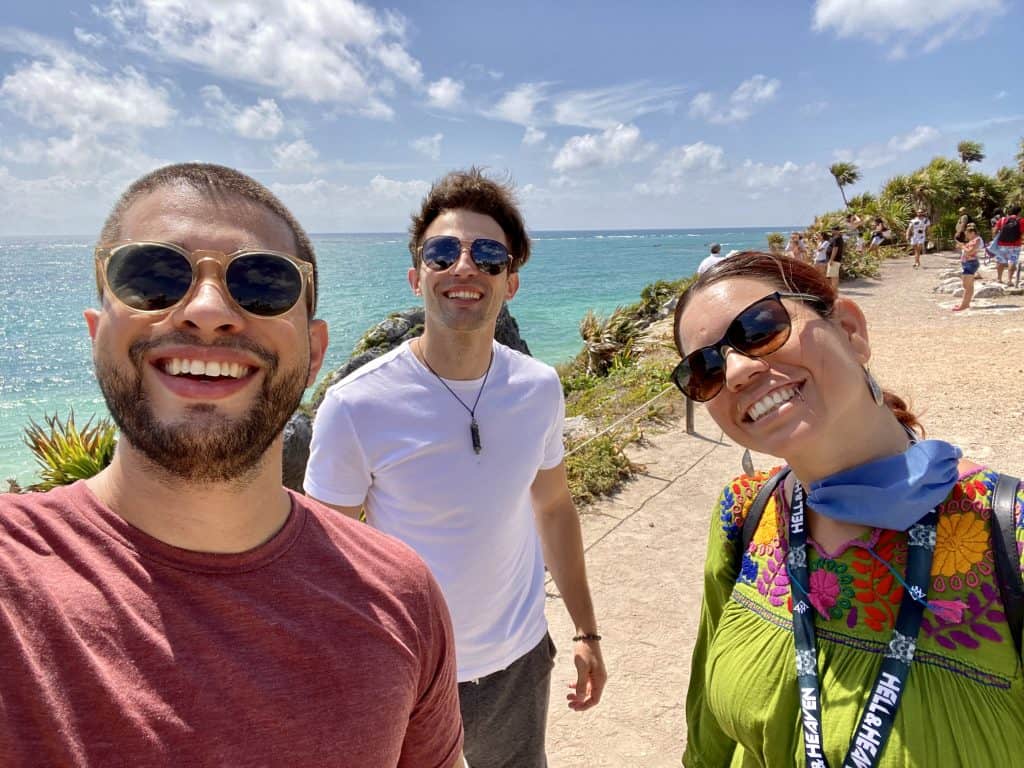
Solo traveling has allowed me to immerse myself in new cultures. I’ve formed some great connections, seen similarities in my own culture in others, and also given me a great deal of time for reflection. The journey also challenged me to face the reality of my life and focus on personal growth.
Dealing with Loneliness and Forming Connections
Traveling alone, while very rewarding, can also be extremely isolating and lonely. One minute you’re on top of the world, free as can be. And then the next minute you’re suffering from extreme loneliness.
One of the best things you can do is make “friends.” I say this in quote of course because acquaintances are not necessarily friends. However, they are friends in the making. The best way to do this is by linking up with other travelers.
The best ways I’ve done this are by staying at local hostels, going to Airbnb experiences, or just getting lost at a museum. I’ve met some great people this way, some of whom I’m still in contact with today.
If you consider yourself more of an introvert, you’re going to get out of your comfort zone. Learning to be more interested in other people versus trying to be interesting is the surest way to overcome isolation and maybe even make a friend.
Cultural Engagement and Local Experiences
Checking out the local culture is key to having a solid experience. Checking out the local markets, timing your travel to be around a particular festival, or simply wandering around the city.
One of the best ways I’ve found to experience local culture is through eating. Walk around and pick the restaurant that doesn’t have too many tourists or English-based reviews. Oftentimes you’ll end up sitting with locals and eating among them.
Also, ask questions, and also ask for favors. People love doing favors and pointing others in the right direction. I mean, if someone were in your city, and a foreigner asked you for the best pizza, would you send them to a Pizza Hut or to that shop you’ve been going to since you were a kid?
Museums are great as well but can also be packed with tourists. While you’ll certainly gain an appreciation of the local culture, you’re also living in the cultural history. I prefer living in the now and experiencing the history in the making through real conversations with locals.
Learning a few phrases of the local language will help out a lot. People like people who try.
Returning Home
The first solo trip I went on took me to Spain, Greece, Egypt, India, and Thailand. While at the airport from Athens to Cairo, I met a man who gave me some sound advice that I’d heard twice.
The most important part of traveling is getting back home.
– Random Guy at the Athens International Airport
There was another guy who coincidentally told me the same thing while I was in Doha, Qatar for the 2022 FIFA World Cup. Funny how those random encounters happen.
Returning home safely from your solo travels is the most important thing. After all, you have to live to share your experiences. It’s the time when you get to reflect on your solo trip as well.
Sitting on the plane as you cruise above the clouds puts the cherry on top. You’ll start scrolling through photos, looking at the confirmation emails from activities you did, or reminiscing on the nights you barely remember.
You’ll also start to ask yourself a lot of questions. Wondering what it all means and may even start considering where you’re off to next.
Heck, you may even consider starting a travel blog to start sharing all of your adventures with friends and family.
What to Expect When You Get Home
Your family will have a mixture of excitement and relief that you’ve made it home safely.
They’re also going to be oddly curious about how your travels went assuming they’ve never traveled themselves. After all, you were the ONE who stepped out of your comfort zone to venture off into the unknown.
The most common questions you’ll receive are:
- “Omg, were you scared?”
- “Where did you stay?”
- ”How did you adjust to the language?”
- ”How much did everything cost?”
- ”Did you have trouble getting around?”
- ”What was your favorite part?”
Afterwards, the excitement and curiosity will wear off and life as you know it will return to normal. You’ll show some photos, they’ll be happy for you, and that will be that.
You’ll realize that nothing changes while you’re gone. So while you may have had moments where you missed your family, you’ll soon realize that everyone was okay and everything was the same.
Strange feelings might set in and you may even suffer from post-vacation depression. Yes, this is a real thing. You may even start to question why you live where you live and start planning your escape the minute you get back.