

I was born and raised in the United States, Central California to be more specific. My entire life was suburbia. If I wasn’t at school or soccer practice, I was skateboarding the streets or begging my parents to take me to a friend’s house across town as public transit was, and still isn’t, viable.
Mix in the daily dose of TV programming from a young age, and I’d been exposed to every car brand you could think of. I started imagining my life and the car I wanted. Now, the idea of owning a vehicle pisses me off. But I didn’t always feel this way. I wanted the autonomy.
It wasn’t until I started traveling that my worldview changed, and I never looked at suburbia the same.
My Suburban Upbringing
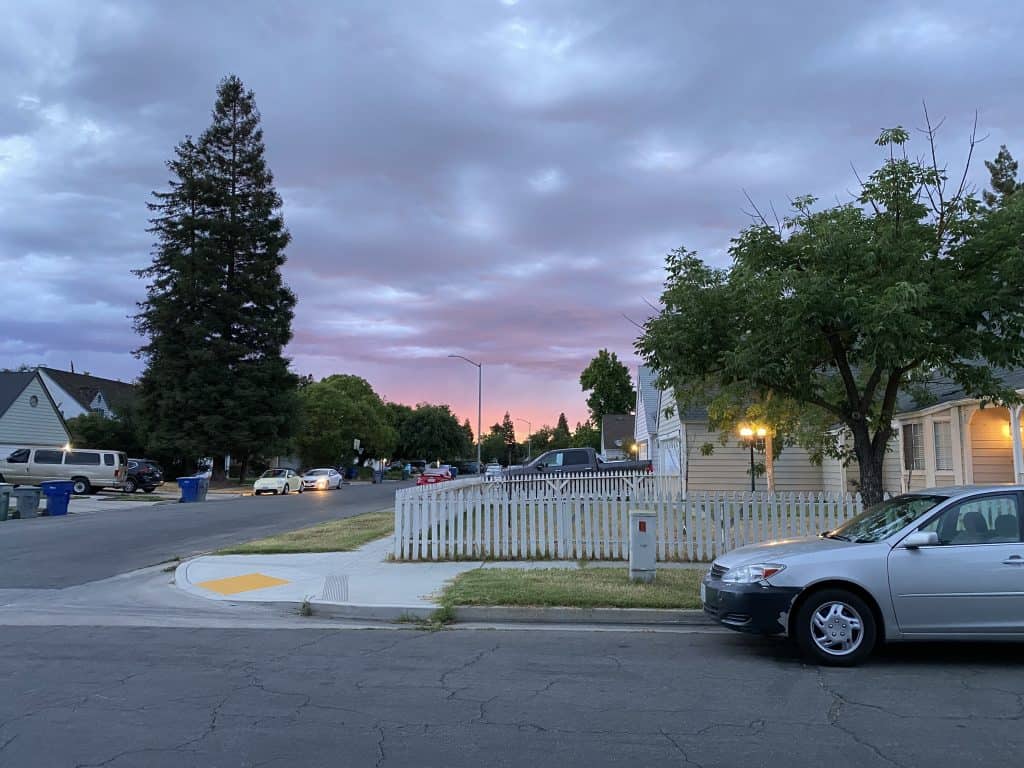
Growing up in suburbia was all I knew. If you didn’t have a car, you were stuck. Public transportation was (and still is) a joke, and getting anywhere required a ride.
As a kid, I spent countless hours skateboarding through quiet suburban streets, but that freedom had its limits.
I often found myself begging my parents to drive me to a friend’s house across town. This car-centric lifestyle wasn’t just about convenience; it was ingrained in our culture.
TV shows and commercials constantly pushed the idea that owning a car was essential to adulthood and success. I dreamed of the day I’d have my ride.
The Shift in Perspective: Traveling Abroad

My perspective started to shift when I took my first international trip to Reykjavík, Iceland, and later to Barcelona, Spain. Initially, my focus was on tourist attractions like the Blue Lagoon and the Northern Lights. Walkability? That wasn’t even on my radar. But traveling opened my eyes to a different way of living.
Experiencing Walkability for the First Time
In Reykjavík, I experienced my first real culture shock. I remember walking the streets with a friend, heading to a bar. Despite everyone being piss drunk, the streets were remarkably clean.
I watched as public cleaners swept up broken glass like it was nothing. It was normal. But Iceland was just a taste. The real revelation came when I arrived in Barcelona. The streets were chaotic yet perfectly organized.
People were everywhere, but it felt harmonious. Back alleys, shops, coffee shops, tapas bars, museums, and people on bicycles—Barcelona was alive in a way I had never experienced before.
Amsterdam took it to another level. Cyclists had the right of way! The transit from Schiphol Airport to Amsterdam Central Station was amazingly efficient. Walking across the canal into the heart of the city was an experience I’ll never forget.
Everywhere I went in Europe, people walked. After each trip, I’d come back to the United States 5 to 10 pounds lighter, only to find myself getting back into a car just to drive to the gym.
Walkable Cities vs. American Suburbia
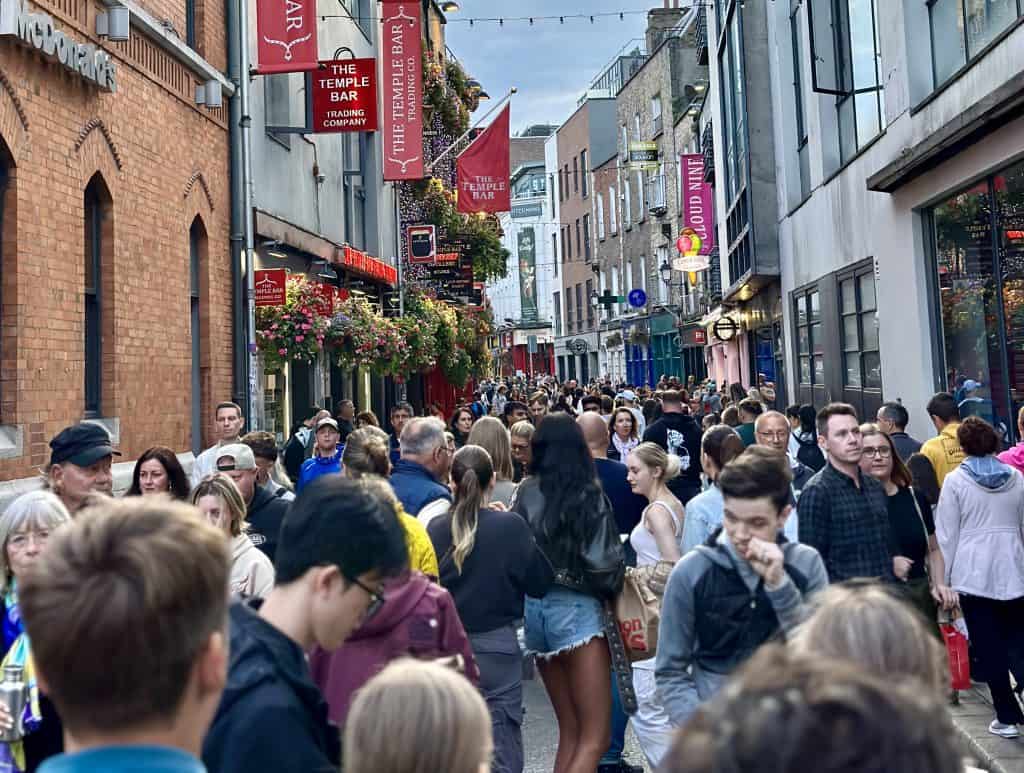
In American suburbs, you might walk around your neighborhood and see a couple of people as cars fly by. Unless you live in an old historical neighborhood or a big city, you’re more than likely car-dependent. Abroad, I was always walking and talking to people.
- Healthier Lifestyle: Walking more as part of daily life helps keep you fit without needing a gym membership.
- Vibrant Social Scene: Interacting with people on the streets creates a sense of community lacking in car-centric suburbs.
- Environmental Friendliness: Reduced reliance on cars lowers carbon footprint and promotes cleaner air.
- Convenience: Everything you need—grocery stores, cafes, parks—is just a short stroll away.
- Cost Savings: More money in your pocket. Imagine a life without car payments, car insurance, maintenance or gas.
- Safety and Security: Active streets discourage crime and promote a safer environment for all residents.
I consider myself a pretty social dude, but I believe it’s because we have more opportunities to interact with others while we’re out and about. The opportunities to rub shoulders by merely existing is more prevalent in walking cultures.
In America, if you go out, you’re doing all the same things anyone else in the world does—grocery shopping, meeting a friend, exercising, shopping, grabbing a pint, or catching a movie or sports game. The only difference is the in-between.
Life Happens in the In-Between
It’s the transportation from your home to your destination where all the life happens. Unfortunately, in the U.S., you’re stuck in the car and at the streetlights. Look to your right and your left next time you’re driving.
Look at everyone’s faces. They’re either looking down at their phones or just caught in a blank stare into the abyss. Isolated in the car without even a chance to speak to the person at next to them. In people-centric cities, this isn’t a thing.
When you want to go to the gym, you’re walking to the gym. Going grocery shopping? The market is 5-10 minutes walking from your home. Want to go to a coffee shop that isn’t a Starbucks or some other corporate spot? It’s right across the street and you’re supporting a local business.
Benefits of Walkable Cities
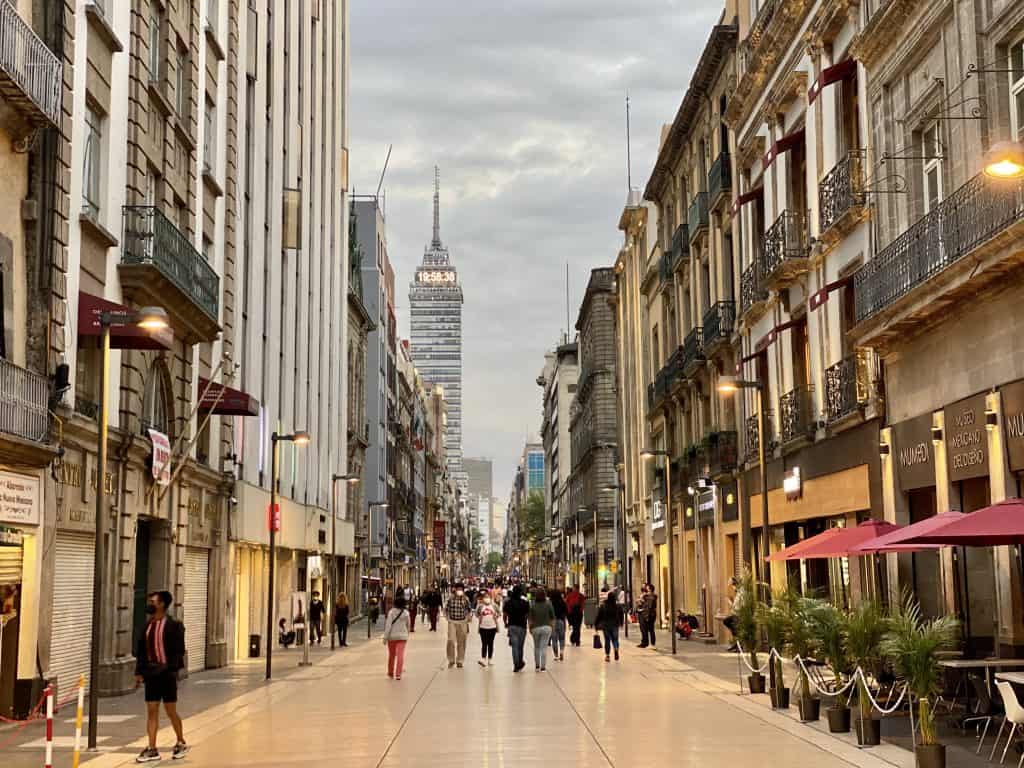
Did you know that the average American only walks between 3,000 and 4,000 steps a day? It’s only in the States that you keep track of your step count. Traveling abroad to Europe and living in both Asia and Mexico taught me that if you live, you will get your steps. It’s impossible not to.
While living in Mexico City, I was able to walk out of my apartment and just go. Yes, there is still suburbia, but within most of these communities, there were plazas and multi-use properties.
The United States zoning laws are out of control. We have an area for living, an area for shopping, and an area for office buildings. Everything is separate and nothing is intertwined. And when a corporate company goes out of business, we’re left with massive empty parking lots that become abandoned or turn into seasonal Spirit Halloween stores.
The Problem with Suburbia and Zoning Laws
In San Jose, California, 94% of residential land is designated for single-family houses. With zoning laws like this, there’s no opportunity for mixed-use properties to be developed. Neighborhoods that are stuck in suburbia can’t be turned into shops with apartments above them or four-plex homes with a gymnasium or coffee shop next door.
It’s no secret that the United States is a car-centric culture. Suburbia is not for people but for cars. The automobile and post-World War II gave birth to the suburbs. People wanted to escape the dense cities and dangers, so Levittowns were born.
Traveling has shown me that living in walkable cities while maintaining a sense of safety and peace is possible. I think more and more people are pro 15-minute cities, where everything is within walking, biking, or a short public transit ride away.
I think more Americans can benefit from this way of life. It’s time we reconsider our zoning laws and city planning to prioritize people over cars.
The Future: Moving Towards Walkability
Imagine a future where you don’t need a car to live a full life. Where your daily needs are within a short walk, bike ride, or public transit trip. Urban planning and policy changes can make this a reality.
Cities around the world have successfully transformed from car-centric to pedestrian-friendly, and we can too. It starts with personal choices and advocacy. Support local initiatives that promote walkability. Push for mixed-use developments in your community.
Reflection
Traveling abroad reshaped my view of suburbia. It showed me the benefits of walkable cities and the drawbacks of car-dependent living. I hope more Americans will explore and support walkable city initiatives, so we can create communities that prioritize people over cars. It’s time to ditch suburbia and embrace a more connected, vibrant way of living–otherwise, I may just find myself relocating to a walkable city abroad.

14 thoughts on “How Traveling Abroad Made Me Hate Suburbia”
Comments are closed.